Encouraged by the success of Utsunomiya’s light rail system, Kyoto and Gifu are exploring the possibility of developing their own light rail transit networks.
Light rail transit (LRT) systems are similar in appearance to the trams of traditional streetcar systems but can carry more passengers at greater speeds. They can operate along streets like trams or along their own exclusive routes.
Utsunomiya Light Rail began operating in August 2023, becoming the first Japanese city in 75 years to introduce a new streetcar system.
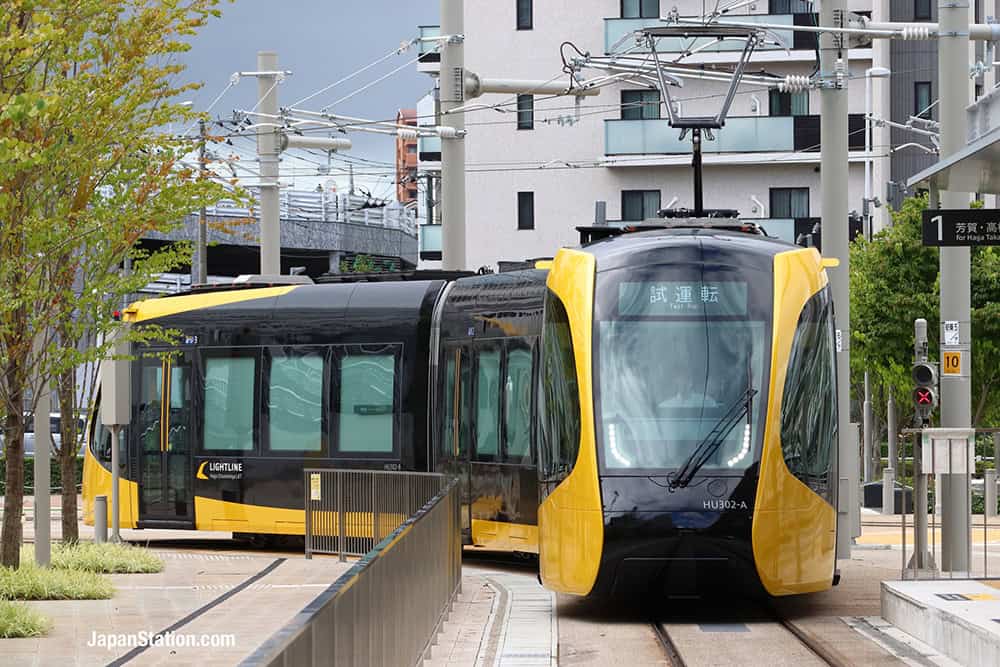
Utsunomiya Light Rail
By September 2024, Utsunomiya Light Rail reached the milestone of 5 million passengers — three months earlier than expected. And the number of users on weekends and holidays is now three times that of original estimates.
The LRT system in Utsunomiya is not only popular, it has helped to revitalize the city center, improved tourist accessibility and created a more pleasant pedestrian environment.
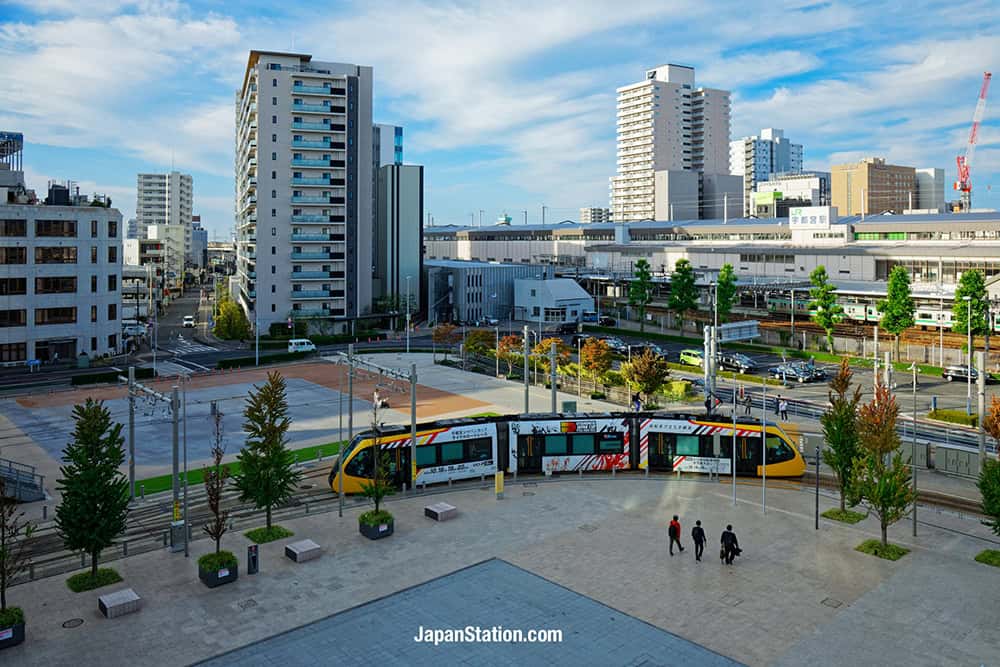
Utsunomiya Light Rail tram in front of Utsunomiya Station
The success of Utsunomiya Light Rail has attracted attention from local authorities and railway operators across the country, and in July this year, the governor of Gifu Prefecture announced a plan to introduce an LRT system in Gifu City and surrounding areas within 10 years.
In the city of Kyoto, plans are also under discussion to introduce an LRT system by 2040.
Both of these locations have a history of abolishing trams in favor of buses, with Kyoto preserving just a remnant of its former extensive streetcar system in the west of the city in the form of the Keifuku Randen Tram Line.
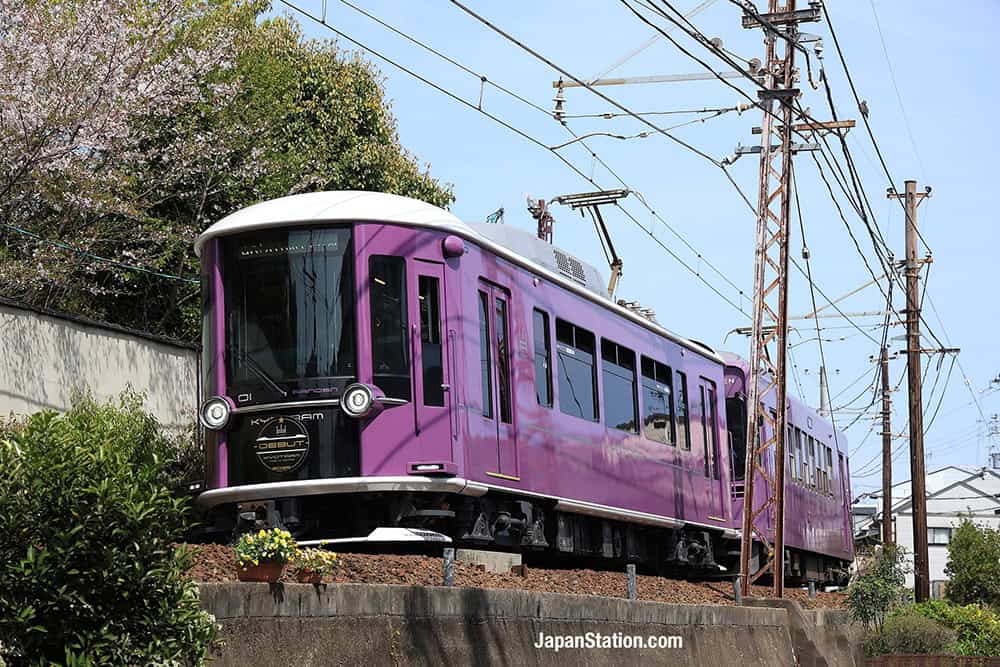
New generation Kyotram on the Keifuku Randen Tram line in Kyoto
But the potential benefits of LRT are now clear.
The city of Gifu has a serious problem with economic decline and depopulation in its urban center as well as an aging population with increasingly limited mobility. At the same time, maintaining bus routes is becoming increasingly difficult too.
The introduction of an LRT system could be one answer to these problems, helping to revitalize the city center while being more accessible to the elderly. Notably, the LRT system in Utsunomiya uses low-floor streetcars and barrier-free platforms so that wheelchair users and others with limited mobility can get on and off easily.
In Kyoto, a city that welcomes approximately 50 million tourists a year, traffic congestion in the city center puts a serious strain on the lives of local residents. And there is a limit to how much this congestion can be relieved by bus services. An LRT system could be one way to alleviate congestion and improve mobility in the city center.
LRT systems are also relatively easy to install as they utilize existing roads, and because they can run on batteries, they can run without overhead wires.
LRT can be more sustainable too. The Utsunomiya system is powered by electricity generated partly from solar power, and partly from the burning of biomass waste.
Kyoto and Gifu are not the only locations to be inspired by Utsunomiya’s example. Naha City in Okinawa Prefecture plans to introduce two LRT lines by 2040, and is considering linking them with existing monorail and bus networks. Wakayama City is also considering replacing its bus rapid transit system with LRT in order to revitalize its city center.
With its potential for bringing new life to local economies and reducing the environmental impact of local transportation, light rail transit is a promising model for sustainable urban development.
Article by Michael Lambe. Photos by tarousite/pixta (1), javao/pixta (2), KUZUHA/pixta (3). All rights reserved.